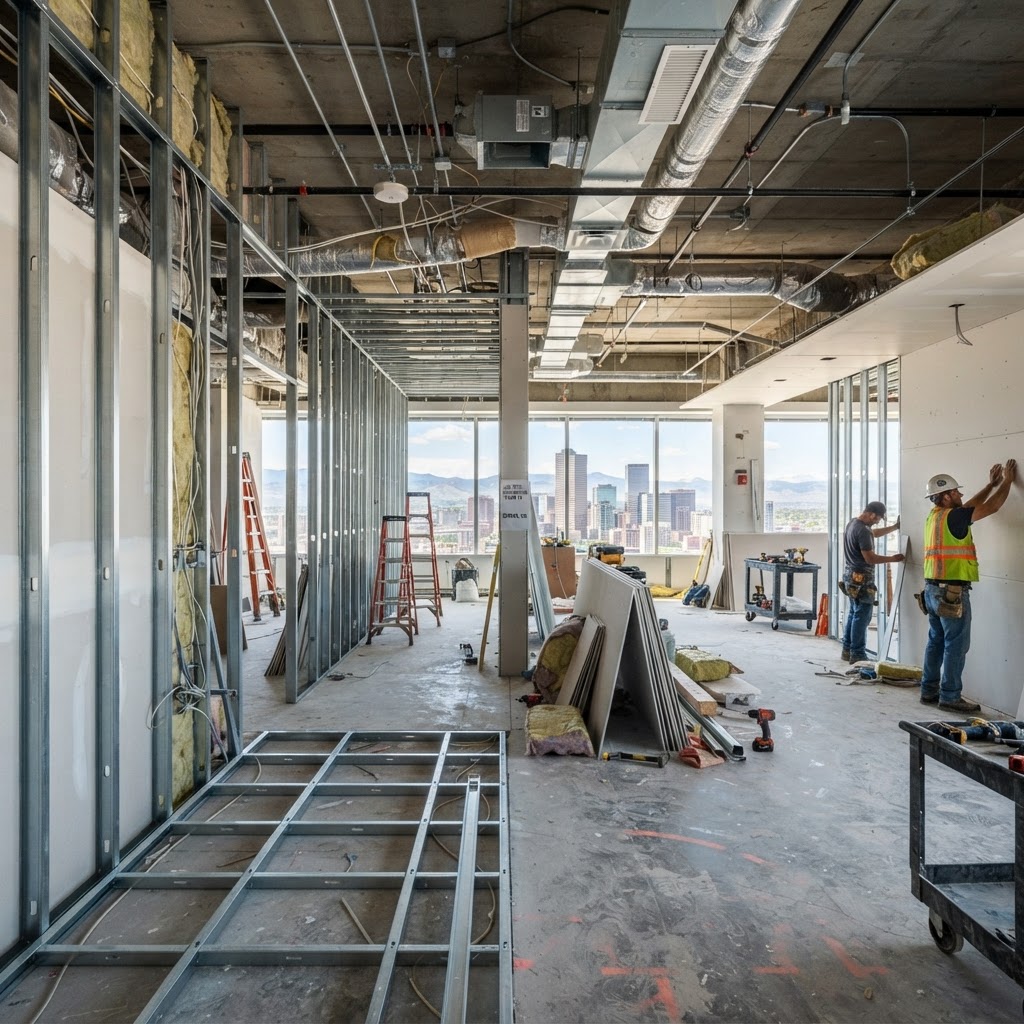
Everything You Need to Know About Tenant Improvement Allowances
By Laura Frenkel

Everything You Need to Know About Tenant Improvement Allowances
By Laura Frenkel, Owner and Principal Broker of VIA Commercial Real Estate
Finding a commercial space is only part of finding the right home for your business. You also need to understand what it will take to make that space functional—and how you will pay for those improvements.
A tenant improvement allowance can help cover those costs. But the dollar amount is only one part of the conversation. Who manages the work, when the landlord pays, and how long the buildout takes can all affect your budget and your opening date.
Here is what I encourage business owners to think through before signing a commercial lease.
What Is a Tenant Improvement Allowance?
A tenant improvement allowance, often called a TI allowance, is an amount a landlord agrees to contribute toward improvements to your leased space.
Depending on the negotiated terms, eligible improvements might include new flooring, paint, interior walls, electrical or plumbing work, or more specialized improvements such as a restaurant hood or grease interceptor.
The goal is to help make the space work for your business. The landlord also benefits because many of those improvements become part of the property.
However, a TI allowance does not necessarily cover everything you need to open. Your lease should define which expenses qualify. Do not assume that furniture, movable equipment, or every business expense will be covered.
These allowances can be particularly helpful in dated spaces or unfinished spaces that require substantial work. If you are considering a “vanilla shell” or “warm shell,” ask exactly what the landlord will deliver. Those descriptions alone do not tell you everything that is already in place—or everything you still need to install.
Two Ways to Approach Tenant Improvements
Landlords may contribute a dollar allowance for a buildout you manage, or they may agree to complete a specific scope of work for you. Each approach has advantages and tradeoffs.
Having the Landlord Complete the Work
A landlord-managed buildout can reduce the amount of construction coordination on your plate. Ideally, the landlord completes the agreed improvements, and you move into a space that is ready for your business.
This can be appealing for a relatively straightforward buildout. If the landlord can show you a finished suite similar to what you want, you may feel more comfortable with the proposed result.
The challenge is making sure their version of “finished” matches yours.
I have seen tenants move into spaces where the work was completed, but the result was not quite what they envisioned. If your business needs a particular layout, finish, or installation, those details need to be clearly agreed upon.
Landlord-managed work also does not eliminate the possibility of delays. Make sure the lease addresses the agreed scope, completion timing, and how unfinished work affects your possession and rent obligations.
Taking an Allowance and Managing Your Own Buildout
Managing the improvements yourself generally gives you more control over the design, materials, and contractors, subject to the landlord’s approval requirements.
That control can be valuable when the space needs to function in a very specific way. It is one reason I often lean toward having the tenant manage the buildout when the details matter.
But more control also means more responsibility. You may be coordinating contractors, drawings, permits, approvals, and unexpected issues while preparing to run your business.
The right choice depends on how specific your needs are, how much coordination you can take on, and how the lease allocates costs and responsibility for delays.
An Allowance May Be a Reimbursement
One of the biggest misunderstandings about tenant improvement allowances is assuming the landlord hands you the money before construction begins.
Many allowances work through reimbursement. You pay for eligible improvements, provide the required documentation, and receive payment from the landlord after meeting the agreed conditions.
For example, if your allowance is $30,000 and your eligible buildout costs $50,000, you are generally responsible for the $20,000 difference. You may also need to fund more than that difference upfront while waiting for reimbursement.
That makes the payment process just as important as the allowance amount.
Before signing, understand:
- Which costs are eligible.
- What documentation the landlord requires.
- Whether payments happen in stages or after completion.
- How soon payment is due after you satisfy the requirements.
- Whether direct payments to contractors can be negotiated.
Sometimes we can negotiate for the landlord to pay contractors directly. That can help with cash flow, but it needs to be part of the agreement.
Budget for the Entire Buildout
A landlord’s contribution may cover only part of the work your business needs.
Before committing to a space, get a realistic understanding of the proposed improvements and their likely cost. Include room in your budget for unexpected expenses, along with the other costs of opening and operating your business.
A space with an attractive allowance can still be expensive if it requires extensive construction. Evaluate the allowance alongside the total cost of making the space usable.
Understand the Timeline Before You Sign
If there is one point I want business owners to take away, it is this: understand your buildout timeline before signing a lease.
Construction involves more than the days contractors spend working inside the space. Your schedule may also need to account for design, landlord approvals, permitting, materials, inspections, and any approvals required to open.
I have seen tenants underestimate that process and reach their rent commencement date while their space is still under construction. They are paying rent, but they are not open or generating revenue from that location.
That can put a business behind before it serves its first customer.
Talk with the professionals involved in your buildout early, and make sure you understand how the lease’s rent commencement terms align with the expected construction schedule. Negotiate the timing while you are negotiating the other lease terms.
Make Tenant Improvements Part of Your Leasing Strategy
A tenant improvement allowance can make a meaningful difference in getting the right space ready for your business. Its value depends on the work it covers, how it is paid, and whether the buildout schedule supports your plans.
Before signing, make sure you understand the total project budget, who will manage the work, and when your rent obligations begin.
I help business owners throughout the Denver metro area lease and purchase office, retail, and industrial space. Part of that process is looking beyond the space itself to understand what it will take to make it work for your business.
Planning a move or exploring commercial space? Visit VIA Commercial Real Estate to learn more about working together.

Laura Frenkel
Principal Broker, Via Commercial Real Estate
Laura has 14+ years of experience and 850+ transactions helping Colorado business owners lease, purchase, and grow through smarter real estate decisions. She founded VIA to start the conversation with strategy, not square footage.